
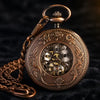


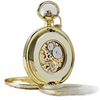
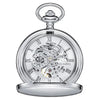


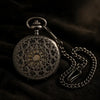

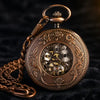
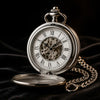


Yes, pocket watches are making a comeback, though as a quiet revival rather than a mass-market return. Wristwatches have dominated since the early twentieth century, yet pocket watches are now being worn again with waistcoats, worn as pendants and given as keepsakes. If you are asking whether pocket watches are making a comeback, this guide explains what is changing, why, and how to choose one today.
Are pocket watches making a comeback?
The honest answer is yes, but on a small and steady scale. Pocket watches will not replace the wristwatch, and nobody serious claims they will. What is happening is a revival of interest among people who want something more personal, more traditional and more tactile than a screen on the wrist.
Several things point in this direction. Heritage style is popular, with waistcoats, tweed and three-piece suits appearing at weddings and formal events across the UK, Ireland, Canada, Australia and the United States. A pocket watch completes that look in a way no wristwatch can.
Mechanical watches in general have also found new admirers. As phones and smartwatches take over everyday timekeeping, a watch has become less a necessity and more a choice. That shift favours objects with character, and a pocket watch has plenty of it.
Pocket watches never disappeared entirely, either. Collectors kept trading them, families kept inheriting them, and some people simply never stopped carrying one. The current revival is really a wider audience rediscovering something that was always there.
It is fair to say this is a niche trend, not a boom. If you enjoy the idea of a watch that feels like a small piece of history, though, now is a very good time to buy one.
Why did pocket watches fall out of fashion?
Pocket watches were the standard way to carry the time for centuries. You can read the broader story on Wikipedia's pocket watch page, which covers their development from early portable clocks to railway-era precision pieces.
Wristwatches began to gain ground in the early twentieth century, and the First World War is often cited as a turning point. Soldiers needed to check the time quickly with their hands busy, and a watch strapped to the wrist was far more practical than one in a pocket.
After the war, the wristwatch became the everyday norm. It was lighter, easier to read at a glance and suited the more casual clothing that followed. Waistcoats also faded from daily dress, which removed the natural home of the pocket watch.
So the decline was less about quality and more about convenience and clothing. The pocket watch was never a worse timepiece; it simply stopped fitting how people lived. That is exactly why its return today is about style and meaning rather than function.
Who is buying pocket watches today?
The buyers are more varied than you might expect. Here are the groups most often drawn to them:
- Wedding parties: groomsmen and fathers of the bride often receive engraved pocket watches as gifts.
- Heritage dressers: people who wear waistcoats and enjoy traditional tailoring.
- Collectors: enthusiasts who appreciate old movements, cases and dials.
- Gift givers: those looking for a graduation, retirement or anniversary present with lasting meaning.
- Pendant wearers: people who wear a pocket watch on a chain as jewellery.
What these buyers share is a wish for something with a story. A pocket watch is easy to personalise, simple to pass on and unlikely to look dated, which makes it a natural keepsake.
5 steps to start wearing a pocket watch
If the revival has tempted you, starting is easier than it looks. Follow these steps:
- Choose a style. Open face watches show the dial straight away, while hunter styles have a protective cover.
- Pick a movement. Mechanical models need winding and suit those who enjoy the ritual, while quartz is more convenient.
- Select a chain. A chain secures the watch to a waistcoat button or belt loop and protects against drops.
- Decide where to carry it. A waistcoat pocket is classic, but a coat pocket or a pendant chain also works.
- Look after it. Keep it dry, avoid knocks and ask a watchmaker to service mechanical pieces when needed.
Within a few days, checking a pocket watch becomes second nature, and many owners find they enjoy the small pause it creates.
Pocket watches at Univers Gousset
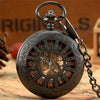
At Univers Gousset, we focus on pocket watches that are designed to be worn and enjoyed, not left in a drawer. Our range covers classic open face designs, darker modern styles and pendant pieces, so there is something for most tastes and budgets.
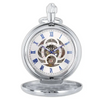
If you like a traditional look, the vintage open face pocket watch is a good place to start. Its clear dial and classic proportions make it easy to read and easy to wear with a waistcoat or jacket.
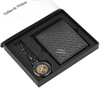
Whatever you choose, treat it as the beginning of a long relationship. A well-chosen pocket watch can be carried for years and handed on to the next generation. If you plan to buy for an occasion, allow time for engraving or chain selection so the gift feels truly personal.
Frequently asked questions
Are pocket watches still made today?
Yes. Many brands and makers still produce pocket watches, from affordable quartz models to mechanical designs. Production is smaller than for wristwatches, but demand for traditional styles, gifts and keepsakes keeps the category alive across the UK, Ireland, Canada, Australia and the United States.
Is it fashionable to wear a pocket watch?
It can be, especially with waistcoats, tailored suits and formal occasions. A pocket watch is more a statement of personal style than a passing trend, so it tends to look distinctive rather than dated when worn with confidence and the right chain.
Are pocket watches accurate?
Accuracy depends on the movement and condition. Quartz models are generally very consistent, while mechanical watches can vary slightly and benefit from regular servicing. For an older or valuable watch, a qualified watchmaker can advise on its performance.
Do pocket watches make good gifts?
They do. A pocket watch is personal, durable and easy to engrave, which suits weddings, retirements, graduations and anniversaries. It also carries a sense of history that few modern gifts can match, and it can be passed down within a family.
How can I find out if an old pocket watch is valuable?
Value depends on maker, materials, age, condition and rarity, so it is best not to guess. Marks inside the case can offer clues, but a watchmaker or specialist valuer is the safest route to a reliable estimate.
Conclusion
So, are pocket watches making a comeback? Yes, quietly and steadily, driven by heritage style, gift-giving and a taste for mechanical character. They will not replace the wristwatch, but they are finding a new and appreciative audience. To explore the options, browse our pocket watch collection.