







The first pocket watch was made in 1505, when German locksmith and clock-maker Peter Henlein created a portable spring-driven timepiece in Nuremberg. It was not a pocket watch in the modern sense, but it was the key breakthrough that led to the pocket watch as we know it. This guide explains who made the first pocket watch, when the first mechanical watch appeared, and how these early watches evolved into the refined pieces collectors admire today.
When was the first pocket watch made?
The first pocket watch was made in 1505, but it is more accurate to say that 1505 marks the birth of the portable mechanical watch rather than the modern pocket watch. Peter Henlein of Nuremberg is widely credited with making the earliest spring-driven watches small enough to carry. These early pieces were often worn as pendants or kept in a pouch, not slipped neatly into a waistcoat pocket as later pocket watches were.
That distinction matters because the question “when was first pocket watch” is really about a long evolution, not a single finished object. Early portable watches were larger, less accurate, and far more decorative than practical. Over time, makers improved the mainspring, case design, and escapement, and by the 17th century pocket watches were becoming recognisably closer to the form collectors know today.
If you want a quick answer: the first pocket watch was made in 1505, but the fully developed pocket watch emerged later. A useful way to think about it is this: 1505 gave the world the idea, and the following centuries refined it into a true personal timekeeper. For a concise overview of the object itself, see the Pocket watch article.
Who made the first pocket watch?
When people ask who made first pocket watch, the name most often given is Peter Henlein. He was a locksmith and clock-maker from Nuremberg, and he is associated with some of the earliest portable watches made around 1505. His work is important because it helped shift timekeeping from fixed clocks to objects that could be carried by a person.
That said, history is rarely as neat as a single name and date. Henlein is credited because he is strongly linked to the earliest surviving tradition of small spring-driven watches, but many craftsmen across Europe helped develop the technology. Early horology was collaborative in practice, even if one name becomes the headline. The real breakthrough was not just making a small case; it was shrinking the movement without losing the ability to run for a useful length of time.
Early makers also had to solve practical problems that seem obvious now. A portable watch needed a strong spring, a reliable gear train, and a way to protect delicate parts from dust and knocks. Those challenges explain why the first examples were luxury objects as much as instruments of time. They were admired for skill, rarity, and invention, not only for accuracy.
When was the first mechanical watch made?
The first mechanical watch was made in the early 16th century, and the earliest portable examples are usually linked to around 1505. Mechanical timekeeping itself is older, of course, because large clocks existed before wrist- or pocket-sized watches. What made the early mechanical watch special was its portability. It brought clockmaking from towers and tables into the hand, pocket, or pouch.
Early mechanical watches were powered by a mainspring rather than a weight. That change was crucial, because a spring made a portable watch possible. However, the earliest spring-driven watches were not highly precise by modern standards. They often ran fast or slow, and users accepted this because the object was remarkable for its size and ingenuity. Accuracy improved gradually as watchmakers refined the balance system and escapement.
So, if you are asking when was the first mechanical watch made, the honest answer is that it appeared in the early 1500s, with 1505 commonly cited. If you are asking when the modern mechanical watch took shape, the answer is later, through continuous improvement over the 16th and 17th centuries. That slow development is exactly what makes horology so fascinating: every small technical change mattered.
How mechanical watches are made
Understanding how mechanical watches are made helps explain why the first pocket watch was such an achievement. A mechanical watch is a miniature machine. Its mainspring stores energy, the gear train transfers that energy, and the escapement releases it in controlled steps. The balance wheel acts like a heartbeat, keeping the movement oscillating at a steady rhythm.
In broad terms, the making process follows a series of careful stages:
- Designing the movement so the parts fit together precisely.
- Manufacturing the plates, bridges, gears, and pinions.
- Assembling the mainspring barrel and gear train.
- Fitting the escapement and balance system.
- Regulating the movement so it keeps time as consistently as possible.
- Housed the movement in a case that protects it from wear and dust.
The finest mechanical watches are not made quickly. Even with modern tools, every part must work in harmony. In earlier centuries, this was far more demanding because makers relied on hand skills, simple tools, and long experience. That is one reason early pocket watches varied so much in shape and quality. Some were practical, but many were also status pieces with enamel, engraving, or precious metal cases.
For collectors in the UK, Ireland, Canada, Australia, and the United States, this is part of the appeal. A mechanical pocket watch is not only a timekeeper; it is a visible piece of engineering history. You can see the movement, feel the weight, and appreciate the craft that began with the earliest portable watches nearly five centuries ago.
Pocket watches and Univers Gousset
If you are drawn to the history behind the first pocket watch, you may also enjoy owning a modern piece that reflects that heritage. The beauty of a pocket watch is that it connects old-world craftsmanship with everyday style. Whether you prefer a classic open-face design or a more decorative hunter case, the right watch can feel both personal and timeless.
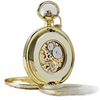
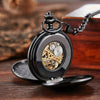
At Univers Gousset, the pocket watch collection brings together styles for collectors and gift buyers alike. If you want a visible movement with a traditional feel, a mechanical model is a strong choice. For example, a silver skeleton case offers the pleasure of seeing the mechanism at work, which is especially appealing if you are interested in how mechanical watches are made.
When choosing a pocket watch, focus on what matters most to you: style, movement type, and how you plan to use it. If you are buying for a collection, a dress piece, or a meaningful gift, look for a watch that matches the occasion. For many customers, the attraction is exactly what made the earliest watches special: craftsmanship you can hold in your hand.
Frequently asked questions
Was the first pocket watch really made in 1505?
1505 is the date most often linked to the first portable spring-driven watch, which is why it appears in many histories of the pocket watch. It is better understood as the beginning of the pocket watch story rather than the exact moment the modern pocket watch appeared. The style evolved over many decades.
Why are Peter Henlein and Nuremberg so important?
Peter Henlein is important because he is widely credited with creating early portable watches in Nuremberg around 1505. Nuremberg was a major centre of craft and metalworking, which helped innovation flourish. His name is associated with the shift from large stationary clocks to timepieces that could be carried.
Were the first pocket watches accurate?
No, not by modern standards. Early pocket watches were limited by the technology of the time, especially the mainspring and escapement. They were impressive because they were portable, not because they were highly precise. Accuracy improved gradually as watchmakers refined the movement over the following centuries.
What is the difference between a pocket watch and a pendant watch?
Early portable watches were often worn as pendants or carried in pouches, so the line between pendant watch and pocket watch can be blurred. A true pocket watch is usually associated with a case made to be carried in a pocket. The modern pocket watch developed from those earlier wearable forms.
Conclusion
The first pocket watch was made in 1505, with Peter Henlein of Nuremberg usually credited for the earliest portable spring-driven watch. That was the beginning of the story, even though the pocket watch took many years to become the familiar object we know today.
If you enjoy the history, craftsmanship, and mechanical beauty behind these timepieces, explore the pocket watch collection and discover styles that carry that heritage forward.