








Case Pocket Watch Mechanical Gift Box Gift
In stock | Ready to ship
- A case that elevates
- Mechanical watch no battery
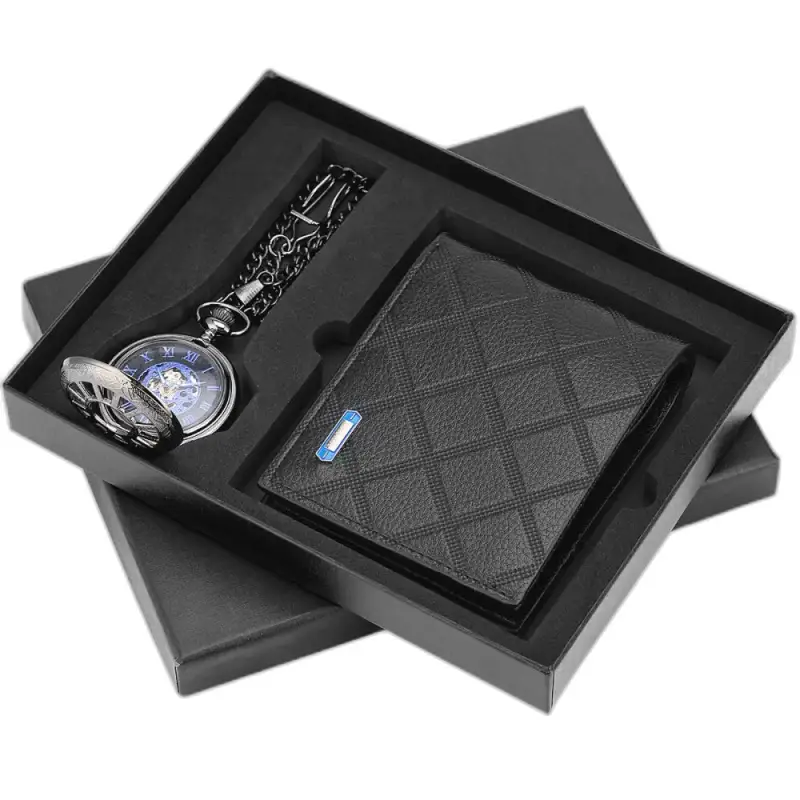
- Box with wallet
Order within
D H M Sfor same-day processing.
Unable to load pickup service availability
Free delivery throughout the store, with no minimum purchase. Your order is prepared with care and shipped as soon as possible.
Your payments are encrypted and processed securely on the Univers Gousset store. We accept Visa, Mastercard, PayPal and Apple Pay. No banking data is stored on our servers.
The pocket watch case: mechanical watchmaking in a box
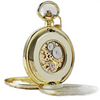
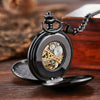
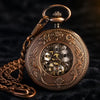
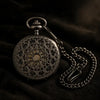
A pocket watch case does more than protect a timepiece — it orchestrates the encounter. Before the crown is even touched, before the eye settles on the dial and its finely drawn hands, the case itself sets the tone: one of reverence for the transmission of a living object. Inside, a mechanical pocket watch with manual winding rests in its presentation case. Its wheels, visible to the eye or perceptible to the ear in the steady rhythm of its escapement, remind us that certain pieces refuse obsolescence. This is not a fashion accessory. It is a horological masterpiece that beats with the pulse of tradition, presented in a frame worthy of it.
The art of distinction
- Offering this case is transmitting a horological sensibility — that of someone who knows that time deserves to be measured with care, not merely consulted.
- A mechanical piece with manual winding belongs to a lineage: it can traverse decades, pass from hand to hand, and tell each generation something of the old ways.
- Without battery or technological dependence, this timekeeper maintains a physical bond with its wearer — it is the wearer who winds it, who gives it life each morning.
- The complete case — watch, faux leather wallet, careful presentation — distinguishes this gift from all others: it does not arrive bare, it arrives prepared.
Specifications
| MOVEMENT | Mechanical |
|---|---|
| WINDING | Manual |
| STYLE | Classic |
| CASE CONTENTS | Pocket watch, faux leather wallet, presentation case |
How to wear the pocket watch case?
The pocket watch slips naturally into the pocket of a three-piece vest, its chain passing through the buttonhole — a gesture inherited from the grand era of bourgeois tailoring. For a more contemporary wearing style, a fitted French-cut blazer with functional breast pockets offers the same secure placement. Steampunk aesthetics enthusiasts will integrate this timekeeper into a structured ensemble of leather and wool, where it becomes a centerpiece rather than a secondary accessory. For those who wish to deepen their understanding of mechanical timekeeping worn daily, the technical details of the pocket watch mechanism illuminate the maintenance and winding gestures to adopt based on your chosen wearing style.
A gift of character
Certain occasions call for a present that endures. Father's Day, a milestone birthday, a well-deserved retirement, or the completion of a long project — so many moments when a case of this caliber speaks louder than words. This pocket watch kit brings together in a single gesture the watch, its case, and its accompaniment, with nothing left to complete. For those seeking to venture deeper into the world of the pocket watch, the automatic pocket watch extends this discovery toward more elaborate movement complications.
Frequently Asked Questions
How does the manual winding mechanical movement of this timekeeper function?
The manual winding mechanical movement operates without a battery: it is the tension of a mainspring, wound by turning the crown, that supplies energy to the wheel train. This daily or twice-daily gesture maintains accuracy of timekeeping and creates a direct link between the wearer and their timepiece.
What maintenance does a mechanical pocket watch require when worn regularly?
Regular winding suffices for everyday use. Over the longer term, a watchmaker will perform cleaning and lubrication of the wheels every five to ten years depending on the intensity of wear. It is advisable to avoid shocks, prolonged moisture, and significant temperature variations to preserve the movement's accuracy.
Does this case lend itself to long-term storage or future transmission?
A properly maintained mechanical movement can function for several decades. For prolonged storage, the watch must be wound periodically even when not being worn, to prevent the lubricating oils from hardening on the wheels. The original case provides suitable storage between uses.



The gesture that sets you apart
Opening the case, checking the time, closing it again — a rare gesture, one that never goes unnoticed. At Univers Gousset, we only select pieces worthy of it.

The gift that never goes out of style
A present that won't end up forgotten in a drawer. Every watch leaves in its own case, ready to be given — and built to last long after it's opened.

The mechanism that doesn't cheat
Beneath the case, a real movement — gears built to last, not to look good in a photo. That's the difference between a watch and an accessory.